
Guide to preparing for adulthood
Overview
Young people who have special educational needs and disabilities (SEND) will be supported to prepare for adult life.
This is known as the 'Preparing for Adulthood Pathway'.
These pages have advice about what you should be doing, and the things you should be thinking about, from the ages 14 to 25.
What is included
At each stage, this guide covers the 4 'preparing for adulthood' themes:
- Succeed in education training and employment
- Live as independently as possible
- Have good health
- Be active in the community
It also explains what will happen with your Education Health and Care Plan at each stage, and has guidance for those who are leaving care.
Who this guide is for
This guide can be used by:
- young people aged 14 to 25 who have SEND
- their parents and carers, and
- education, health, social care professionals
Downloadable guides
Year 9 (13 to 14 years old)
Education, training and employment
Your next steps
You should start having conversations about what you want to do in the future, for education, training and employment.
You must stay in education or training until you are 18 years old.
If you want to continue your education / training after this, you will need to think about what subjects you will need to study, and which qualifications you will need.
You can speak to your school / setting about how the curriculum can help you to look at work options, so you can get a job in the area you are interested in.
Careers advice
Your school / setting may have a careers advisor. See careers advice.
Friendship, relationships and community
Friendships and activities
Your family, friends and other people in your circle of support are important as you move into adulthood.
You should think about activities outside of school that you are already a part of, or that you would like to be involved with.
You should also think about time that you spend away from your home, for example, through a short break.
This will help you to build and keep friendships.
Developing independence
Skills for independence
You will have learned skills to be independent throughout your life.
As you become an adult there are more things to think about.
You and your family will need to think about how you can develop your independence.
This may include:
- training to help you travel independently
- learning about money and budgeting
- learning housekeeping skills
If you plan to go to university
If you want to go to university, think about whether you want to go somewhere close to home, or if you would like to move out of area, and what this might involve.
Good health
Changes to health services
Health services change when you become an adult.
If you are getting health services now, you should speak to these services about how you will be supported in the future.
Annual Health Check
When you turn 14, you can have a Annual Health Check if you have:
- a learning disability,
- complex mental health needs, or
- autism
Moving to adult health services (transition)
The Ready Steady Go programme supports young people to move into adult health services.
You can use the getting ready questionnaire to find out where you may need support.
Speak to your GP about how they can support you as you move into adulthood.
If you have an Education, Health and Care Plan (EHCP)
If you have an EHCP, your Annual Reviews will begin to focus on preparing for adulthood.
You will be asked to think about your future in all 4 of the preparing for adulthood themes.
If you have an SEN Support Plan
If you have a SEN Support Plan, you can work with your school / setting on how the preparing for adulthood themes will be considered within your SEN Support Plan.
If you are a Looked After Child or a Child in Need
Your EHCP Annual Reviews should be carried out at the same time as your Looked After Child or Child in Need reviews.
Your families' social worker or Early Help worker will support you and your family with how services will change as you reach adulthood, and how to prepare for this.
Year 10 (14 to 15 years old)
Education, training and employment
Planning for the future
You should continue to look at:
- what you are good at and what you enjoy doing
- what is going well
- what you want to do in the future.
Moving school / setting (transition)
All planning must be centered around you. Your views are important.
Hopefully, you will have decided what kind of education / training you would like to do when you turn 16.
If you are moving school / setting, you can speak to them about the support that is available.
Careers advice
You can speak with the career's advisor in your school / setting, or in another service, about your future ambitions. See careers advice.
Education / training and employment plan
You should develop an education / training and employment plan, which looks at your aims, goals and outcomes for the future.
This may include:
- post-16 education, training and employment
- visits to other schools / settings
- increasing your independence skills
- your ongoing care and support needs
You can get support to help you access work experience and apprenticeships and traineeships.
Friendship, relationships and community
Friendships and relationships
Think about the important relationships in your life, and how you will continue these in the future.
Activities
Think about whether you are going out as often as you would like to, and if you need support so you can try different activities. You can talk through this with someone you trust.
You should think about time that you spend away from your home, for example, through a short break. This will help you to build and keep friendships.
You should also find out about extra-curricular activities in your school / setting.
Support for parents / carers
Your parents / carers may have questions or concerns as you move into adulthood. They can access information, advice and support.
Developing independence
If you are thinking about moving school / setting to carry on your education or training, you will need to think about where this might be.
It is important to develop your independent travel, especially if your new school / setting is going to be further away from home.
Speak to SEND Services about transport options and training to help you travel independently.
Time management will be more important when you move into post 16 education / training and employment. You should discuss how you can be supported with this, with both your current and new school / setting.
Good health
Moving into adult health services
As you get closer to adulthood, you will become more involved in decisions about your health and wellbeing.
All health services that are involved with your health and wellbeing should be sharing information with each other.
The Ready Steady Go programme supports young people to move into adult health services.
You can look at the 'Steady' part of the Ready Steady Go programme to help prepare you for making decisions about your health.
A transition plan should be made. See the Ready Steady Go transition plan template.
Your parent / carer can also complete the Ready Steady Go transition plan questionnaire to find out about any support they will need as you move into adult health services.
Personal Health Budget
If you have a Personal Health Budget, you will become responsible for it when you turn 18.
You should start having conversations now about how you will manage this.
Your carers
You may have people close to you who regularly give you a lot of care and support.
It is important that these people are known to the Council and to the other services that support you.
They may need a carer's assessment to make sure they are getting the right support.
If you have an Education, Health and Care Plan
If you have an Education, Health and Care Plan (EHCP), a preference for your school / setting will be discussed.
If you are planning to move, the school / setting will need to be involved so they can plan how to support you.
Year 11 (15 to 16 years old)
Education, training and employment
Continuing in education or training
At this point, you will need to decide where you will continue in education / training until you are 18 years old.
You can ask for support to make this decision, but the final choice is yours.
Once the decision has been confirmed, you should have a plan to move to your new school / setting (known as transition).
Various agencies should be involved to make sure they all have the information they need to support you.
Work experience
You should review any current work experience and / or plan further opportunities.
You should continue to have discussions about your future plans and look at the options available to you when you become an adult.
These discussions should include how support within education, training and employment will continue.
This should also include how this support might be funded. See funding for young people with SEND in education.
Friendship, relationships and community
Friendships
Think about how your current friendships will continue after school ends.
You may need support to plan how you will keep in touch with your friends.
Activities
You may already be taking part in local activities, such as visiting leisure centres, the cinema, libraries and shopping centres.
Speak to the people who support you to put plans in place so you can continue to do this in future.
Short breaks
If you are currently accessing a short breaks service, you should speak to your care co-ordinator about whether this will continue after you turn 18.
Developing independence
Housing / accommodation
You will have a good idea of what you want to do in the future by this point.
Now is a good time to think about where you will live when you are an adult.
You and your parents / carers should have all of the information you need to make this decision.
If you want to continue living at home, you still need to develop your independence so you can move when you are ready to.
Travelling independently
You should be travelling independently as much as possible.
If you can't travel independently, think about the support you might need to develop independent travel skills, and the help that might be available.
Benefits
You may be eligible for certain benefits.
You can have your first benefits check before you turn 16.
Good health
Choosing to continue with health services
When you are 16, you can say whether you would like to continue with the treatment you receive.
You may be discharged from certain services.
They should talk to you and your family about this, and discuss who will take over responsibility for your health and wellbeing needs.
Moving to adult health services (transition)
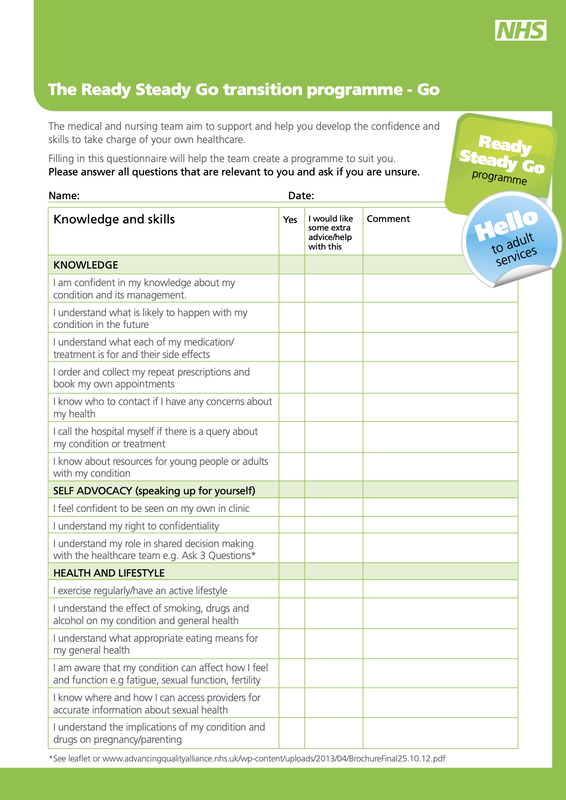
Ready Steady Go supports young people to move into adult health services.
You should be using:
- the 'Steady' part of the Ready Steady Go programme, or
- the 'Go' part of the Ready Steady Go programme
Annual Health Check
Make sure you attend your Annual Health Check through your GP (if you are eligible).
If you need continuing care
You may be eligible for continuing care.
This will need to be assessed by a care co-ordinator.
Your health and wellbeing needs
Your parents / carers may not be allowed to do things like make an appointment for you with your GP.
You should speak to these services about the reasonable adjustments they can make so your health and wellbeing needs continue to be met.
If you have an Education, Health and Care Plan
The SEND Panel will make a decision if you have an Education, Health and Care Plan (EHCP) and you need:
- high needs funding, or
- a place in a specialist college.
They must decide this by 31 March in year 11.
If you don't have an Education, Health and Care Plan
If you don't have an Education, Health and Care Plan, you can get support in whichever mainstream school / setting you choose.
The SEND Panel will be able to advise on how best to support you.
If you are a Looked After Child
If you are a Looked After Child, your social worker will speak to you about the support available for care leavers.
Year 12 (16 to 17 years old)
Education, training and employment
Planning your next steps
You will need to start making decisions about what you would like to do when you turn 18.
If you want to continue in education / training, you will need to visit the settings you are considering, and speak to them about the support they can offer you.
Transport for education
You may no longer be eligible for transport to and from your school / setting.
You will need to think about this when making decisions about where to continue your education / training.
Funding for education
If you do not have an Education, Health and Care Plan, or if your plan will cease (stop) because you no longer need it, you can apply for the 16 to 19 Bursary Fund if you still need support in education.
If you are planning on going to university you may be eligible for the Disabled Students' Allowance.
Friendship, relationships and community
You should continue thinking about your social group, and how you will make arrangements to keep in touch with your friends in future.
Speak to your social worker or Early Help worker if you need support or help with:
- accessing local services
- travelling / getting out when you would like to, either on your own, with friends, or with support
- using a telephone, mobile, email, and social networking sites
- using public transport and learning to drive
Developing independence
Accommodation and housing
You may decide that when you turn 18 (or soon after), you would like to live on your own, or move away to university.
You will need to find out more about your housing options, and the support you can get with budgeting and keeping to your tenancy agreement.
Funding
If your parents / carers have held a Personal Budget for any of your education, health or care needs, you may be able to take control of this when you turn 18.
You should talk about what support you might need to do this.
Benefits
You may be entitled to benefits such as Personal Independence Payment or Universal Credit.
You can get advice and guidance about applying for benefits and managing your money from a range of services.
Travelling independently
If can't travel independently, think about the support you might need to help develop your independent travel skills.
Good health
Looking after your health and wellbeing
At 16, you become responsible for decisions about your health, but you may still need some support.
The professionals who support you will work together and share information so they can understand how best to support you and communicate with you.
You should continue having your Annual Health Check if you are eligible.
If you need continuing health care
Some young people will be eligible for Continuing Health Care.
This will involve an assessment.
Your care co-ordinator will discuss this with you.
Being able to understand and make decisions
Some young people do not have the ability to understand and make a decision when it needs to be made.
See what happens if someone can't understand and make decisions.
Moving to adult health services (transition)
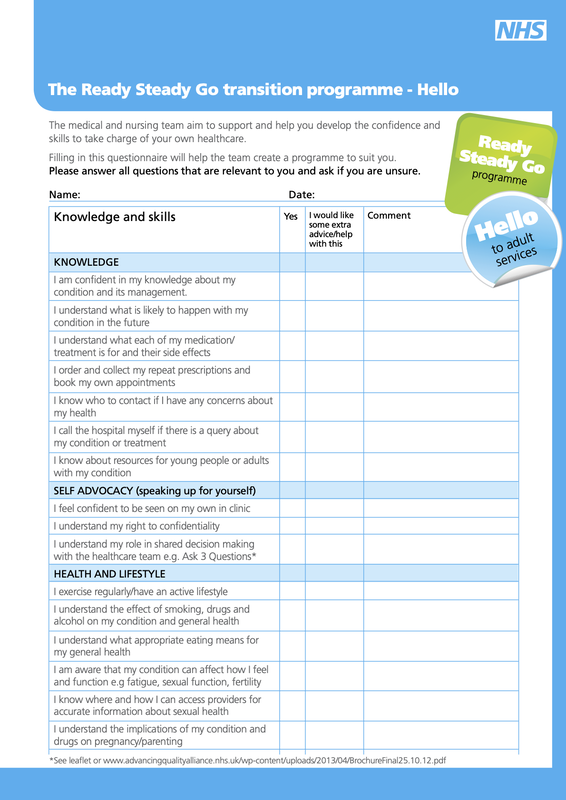
Ready Steady Go supports young people to move into adult health services.
You should be using:
If you have an Education, Health and Care Plan
If you have an Education, Health and Care Plan (EHCP) and attend South Tyneside College, South Tyneside Council will now hold your Annual Review meetings.
If you are not continuing education or training after you are 18, or you are planning on going to university, they will talk to you about ceasing (stopping) your EHCP.
If you are continuing in education / training and you would like to have a Personal Budget for your EHCP, you can discuss this with SEND Services Team.
If you are a Looked After Child
If you are a Looked After Child, you will be assigned a Personal Assistant when you are 16. They will support you with leaving care.
You may also need support through Adult Social Care.
Year 13 (17 to 18 years old)
Education, training and employment
When you turn 18, you will become responsible for all decision-making.
You can still get support and advice from your parents / carers, family and friends, or another service.
Some young people do not have the ability to understand and make a decision when it needs to be made.
See what happens if someone can't understand and make decisions.
Continuing in education and training
You should continue to update your careers plan.
You should plan to gradually spend more time in the work-related learning or employment area you are interested in.
You should continue to look at all possible options, including:
- supported employment
- apprenticeships
- work-based learning
- work-related learning at college
- paid work
- self-employment
- higher education
See post-16 education, training and employment
Travelling independently
Think about the help and adjustments that can be made to help you travel independently.
Benefits
When you are 18, if you decide you do not want to continue in education / training, may be eligible for Universal Credit.
Friendship, relationships and community
You should continue thinking about your social group, and how you will make arrangements to keep in touch with your friends in future.
Speak to your social worker or Early Help worker if you need support or help with:
- accessing local services
- travelling / getting out when you would like to, either on your own, with friends, or with support
- using a telephone, mobile, email, and social networking sites
- using public transport and learning to drive
Support for your carers
You may be eligible for adult respite services. These services allow the person who cares for you to take a break, whilst your care is provided by another service.
If you are eligible, a plan will be developed with you to help you move into these services.
Developing independence
Housing / accommodation
If you have decided you want to live away from your parents / carers, or if you are moving away to university, you should have all the information you need about housing options.
You should have discussed which housing option will best meet your needs.
You should have a benefits check when you are 17 years and 6 months. This will help you to find out about any benefits you are eligible for if you are leaving education / training.
Funding
You will need to decide about any personal budgets, how you might use these to personalise the support you get, and who will manage these if you are not able to do this yourself.
Managing your money
If you need support with managing your money, you should ask for advice about an appointeeship / deputy.
Travelling independently
If you can't travel independently, think about the support you might need to help develop your independent travel skills, and any help that might be available.
Good health
Moving to adult health services (transition)
You will start to move from children's health services into adults health service, if you are eligible.
If you have previously been under the care of a paediatrician, they will have referred you in to the individual services / consultants that you need.
If you are currently accessing children's mental health services, they will work with you to decide if you need adult mental health services.
Having your voice heard
If you need support with your health care, there are a range of services that can support you with having your voice heard.
If you need Continuing Health Care
If you are eligible for Continuing Health Care, you will have a care co-ordinator who will work with you to manage your health and wellbeing needs.
If you have an Education, Health and Care Plan
If you have Education, Health and Care Plan (EHCP), and you will not be continuing in education of training, or if you are planning on going to university, your EHCP will be ceased (stopped).
There should be a review meeting where this will be discussed with you, and with anyone else you would like to attend the meeting.
The meeting will look at what support you need and how this might be provided.
You may need an Adult Social Care assessment to see if you are eligible for support.
If you are leaving care
If you are leaving care, you will have a Personal Assistant who will work with you and support you through the plan that has been made.
Year 14 (18 to 19 years old)
Education, training and employment
Moving into employment
When you finish year 13, you do not need to continue in education or training if you don't want to.
If you move into employment, either full-time or part-time, you can still get support to meet your needs.
Support and benefits
You can apply for Access to Work if you have a disability or health condition that makes it hard for you to do parts of your job.
When you are 18, if you decide you do not want to continue in education / training, may be eligible for Universal Credit.
Continuing in education or training
If you are continuing in education / training, it is important that you are working towards your career goals.
You should plan to gradually spend more time in the work-related learning or employment area that you are interested in.
Friendship, relationships and community
You should continue thinking about your social group, and how you will make arrangements to keep in touch with your friends in future.
Speak to your social worker or Early Help worker if you need support or help with:
- accessing local services
- travelling / getting out when you would like to, either on your own, with friends or with support
- using a telephone, mobile, email, and social networking sites
- using public transport, learning to drive
Support for your carers
Adult respite services allow the person who cares for you to take a break, whilst your care is provided by another service.
If you are eligible, the move to adult respite services should be completed.
Developing independence
You should continue to think about how you can develop your independence.
Housing / accommodation
Look at housing options and make sure that you are getting all of the information you and your family need to make decisions about your future.
If you are eligible, personal budgets are a good way to personalise the support you get in education / health and care.
Benefits
If you are leaving education or training, you may be eligible for benefits such as Universal Credit.
A benefit check should be completed before you leave your school / setting.
Travelling independently
If you can't travel independently, think about the support you might need to help develop your independent travel skills, and any help that might be available.
Good health
Your health and wellbeing
Continue having your Annual Health Check if you are eligible.
If you have long-term or complex health needs
If you have long-term or complex health needs, you may have a Health Lead who supports you with co-ordinating your care needs. They should be invited to your Annual Review meetings.
With your consent, services should share information and reports with the professionals who support you, to make sure you are getting the support you need.
If you need to visit the hospital
If you need to visit the hospital, you can get support whilst you are there. You can complete a care passport, or ask someone to do this for you.
If you have an Education, Health and Care Plan
If you have an Education, Health and Care (EHCP), and you will not be continuing in education / training, your EHCP will be ceased (stopped).
There should be a review meeting to discuss this with you and anyone else you would like bring with you.
The meeting will look at what support you need and how this might be provided.
If you are continuing in education / training, your Annual Review should focus on your goals for the future, and how any planned study programme will support you to achieve this.
If you are a care leaver
If you are leaving care in South Tyneside, the Council will give you support until you are 25.
This is known as the Care Leavers' Local Offer.
You can also talk to your personal advisor if you need any extra support.
19 to 25 years old
Education, training and employment
Your education / training will come to an end during this time.
Employment options
It is important that you continue to look at all employment options.
Job Centre Plus has Disability Employment Advisors who can tell you more about how young people with SEND can be supported.
You can apply for Access to Work if you have a disability or health condition that makes it hard for you to do parts of your job.
Continuing education
If you are continuing your education, you should think about how your education is going to help you progress and achieve your future goals.
Friendship, relationships and community
You should continue thinking about your social group, and how you will make arrangements to keep in touch with your friends in future.
Speak to your social worker or Early Help worker if you need support or help with:
- accessing local services
- travelling / getting out when you would like to, either on your own, with friends, or with support
- using a telephone, mobile, email, and social networking sites
- using public transport and learning to drive
Carer's assessments
If you or your family need any extra support, you can contact the Let's Talk Team to find out about what is available, including a carer's assessment.
Developing independence
Support for when you turn 25
Speak to your lead professional about what will happen when you turn 25, or if you no longer need support services.
You should develop a plan for when the support to help you prepare for adulthood is no longer available.
Education / training
You will have finished your education / training at some point before you turn 25.
Housing / accommodation
Speak about housing options and where you want to live in future, and what support you will need.
Good health
Your health and wellbeing
Continue having your Annual Health Check if you are eligible.
You should make sure you understand how to keep healthy.
If you have long-term or complex health needs
If you have long-term or complex health needs, you may have a Health Lead who supports you with co-ordinating your care needs.
They should be invited to your Annual Reviews meetings.
With your consent, services should share information and reports with the professionals who support you, to make sure you are getting the support you need.
If you need to visit the hospital
If you need to visit the hospital, you can get support whilst you are there. You can complete a care passport, or ask someone to do this for you.
If you have an Education, Health and Care Plan
Each Annual Review will look at whether the special educational support and services provided through your EHCP are necessary for you to progress towards the agreed outcomes in your plan.
The plan will not automatically remain in place until you are 25 years old.
The plan should be ceased (stopped) when:
- all outcomes within the plan have been met, or
- you are no longer in formal learning or training.
An exit plan should be developed to make sure there is support available for you and your family if the plan is ceased (stopped).
This should include information about:
- looking for employment
- continuing to study in higher education, and
- support for your health and social care needs.
If you are a care leaver
If you are leaving care in South Tyneside, the Council will give you support until you are 25.
This is known as the Care Leavers' Local Offer.
You can also talk to your personal advisor if you need any extra support.